
Home improvements can significantly enhance both the value and the comfort of a property. For homeowners looking to make strategic upgrades, considering the most impactful areas is vital. This article will outline some of the first home improvements to consider.
1. How can landscaping improve home value?
Understanding Landscape Maintenance
Landscape maintenance plays a crucial role in enhancing the visual appeal of a property, making it more inviting and organized. It includes various activities such as lawn care, pruning, and planting, which all contribute to a home’s aesthetic and practical value. Well-maintained landscapes can positively impact property value, often leading to quicker sales and higher purchase offers.
Regular landscape maintenance is not only a method of aesthetic improvement but also an investment in a property’s overall worth. Buyers often look for homes that are move-in ready, and a well-maintained garden becomes an attractive selling point. By investing in routine maintenance, homeowners can ensure their property stands out in the real estate market.
Engaging in landscape maintenance often requires a blend of professional services and DIY efforts. Hiring professionals for complex tasks like tree trimming can prevent accidents and ensure expert results. Homeowners can handle routine tasks like mowing and gardening, which fosters a personal connection to the home’s exterior.
Benefits of Professional Landscaping
Professional landscaping services can transform an ordinary backyard into a lush oasis, increasing the overall appeal of a home. Their expertise in plant selection, soil management, and design can create visually stunning environments that are also functionally robust. By hiring professional landscapers, homeowners can avoid common pitfalls and costly mistakes in landscape design.
Beyond aesthetics, professional landscaping can incorporate environmentally sustainable practices. These might include the installation of water-conserving irrigation systems or the use of native plants that require less maintenance. Sustainability not only benefits the environment but can also lead to reduced long-term maintenance costs.
Additionally, landscapers often have an eye for enhancing curb appeal, a key component of real estate attractiveness. Properties with refined, professional-looking landscapes tend to have a significant advantage when listed for sale. Overall, the investment in professional expertise often pays for itself through enhanced property value and appeal.
Tips for DIY Landscaping
For homeowners who prefer hands-on involvement, DIY landscaping can be an exciting project. A good starting point is to draft a comprehensive plan that outlines the desired layout and types of plants or features. Simple tools and a bit of research can empower homeowners to tackle basic tasks like planting flower beds or creating small stone paths.
It’s important for DIY enthusiasts to select plants that are well-suited to their climate and soil type to ensure robust growth. Researching native species can save time and resources, as these plants typically require less water and attention. Homeowners should also pay attention to the maintenance needs of each plant to prevent overgrowth or unhealthy conditions.
To enhance landscape maintenance success, consider investing in quality tools and materials. Gardening workshops or online resources can be invaluable for learning new techniques and tips. With patience and care, DIY landscaping can significantly improve both the enjoyment and value of a home.
2. What to do in case of water or fire damage in your home?

Identifying Water Damage
Water damage can manifest in several ways, making early identification crucial to minimizing extensive repairs. Common signs include discoloration on walls or ceilings, musty odors, and visible mold growth. In severe cases, homeowners might notice peeling wallpaper or warping floors, which could indicate prolonged exposure to moisture.
Detecting water damage early can prevent structural damage and health risks associated with mold and mildew. When the source of water is visible, such as a pipe leak or a poorly sealed bathroom, prompt action can mitigate damage. Routine home inspections can help in identifying hidden water damage issues, reducing long-term repair costs.
Addressing water damage promptly is essential for maintaining a safe and healthy home environment. Ignoring minor signs can lead to larger issues like foundation weakening or electrical hazards. Proper vigilance and response to water damage signs are crucial steps in effective home maintenance.
Immediate Steps to Take
Upon discovering water damage, the first action is to stop the source of water intrusion, if possible. This may involve shutting off water valves or using towels and mops for initial soaking. After controlling the source, the affected areas must be dried and ventilated to prevent mold formation.
Documenting the damage is another important step, as it can assist when claiming insurance or assessing repair needs with a contractor. Using a water damage service can help ensure thorough restoration, as they have the tools and expertise to handle moisture issues effectively. Prompt professional intervention can prevent further deterioration and decrease the likelihood of future incidents.
While addressing water damage, safety should remain a priority. Avoid electrical sources when there’s standing water, as this poses a significant risk. Following the immediate stabilizing measures, consulting a professional can help in restoring affected areas efficiently and safely.
Choosing a Water Damage Service
When selecting a water damage service, it is essential to opt for providers with credible experience and positive reviews. A competent service should offer transparent pricing and comprehensive restoration plans, tailored to the specific needs of the property. Choosing a local company can also be beneficial, as they have experience dealing with the region’s common water-related issues.
It’s advisable to verify whether the water damage service offers emergency support, as prompt action can considerably reduce damage severity. Another critical factor is their approach to mold remediation and the preventive measures they employ to avoid future issues. Checking for any certifications or affiliations with professional organizations further ensures that the service adheres to industry standards.
Ultimately, a good water damage service should offer peace of mind through clear communication, timely intervention, and effective repair solutions. Property owners are encouraged to keep contact information for a preferred service readily available, allowing quick response when water damage arises. Engaging with a professional service helps to safeguard the property’s integrity and health.
3. Is artificial turf grass worth the investment?
Pros and Cons of Artificial Grass
Artificial grass presents an appealing alternative to natural lawns, especially in regions suffering from water scarcity. It eliminates the need for constant watering, mowing, and fertilizing, making it a low-maintenance yet aesthetic choice. Additionally, modern versions often closely mimic the look and feel of real grass, providing a year-round green appearance.
However, there are considerations to keep in mind before opting for artificial grass. Initial installation can be costly, though the long-term savings on water and maintenance can offset this expense. It’s also essential to consider the environmental impact, as artificial grass is often made from plastics, raising concerns about eco-friendliness.
Homeowners should weigh these pros and cons based on personal preferences and environmental conditions. Consulting with a reputable artificial grass company can provide clarity and assist in selecting the right type of turf for specific needs. Proper installation and quality selection maximize the benefits, providing an aesthetically pleasing landscape feature.
Selecting the Best Artificial Grass Company
Choosing the right artificial grass company is crucial for ensuring a long-lasting installation that meets aesthetic and functional expectations. Prospective buyers should seek companies with a track record of reliable installations and positive customer testimonials. Evaluating sample products firsthand can help homeowners gauge the quality and appearance of the grass.
It’s essential to ask detailed questions about installation methods, warranty offers, and maintenance requirements. A professional artificial grass company will often provide comprehensive support, from initial consultation to post-installation services. Comparing multiple providers can help in securing competitive pricing and superior products.
Moreover, collaborating with a company that offers customization options can cater to unique landscape designs and preferences. An experienced installer will understand local climate conditions and recommend the most suitable products. A thorough evaluation process ensures that the selected artificial grass aligns with long-term landscape goals.
Maintenance Tips for Artificial Grass
While artificial grass requires less maintenance than natural grass, some care is necessary to sustain its appearance and longevity. Regular brushing is recommended to keep the fibers upright, maintaining the lawn’s lush look. Removing debris promptly prevents accumulation and potential damage to the grass.
Occasional washing with mild soap and water can eliminate dust and minor stains, preserving the turf’s cleanliness and vibrancy. During warmer periods, spraying water can help cool down the surface temperature of the artificial grass. Additionally, it’s important to check for any repairs that might be needed over time to address wear and tear.
Following these maintenance guidelines ensures that artificial grass remains a beautiful and practical addition to the home landscape. Consulting with the artificial grass company about specific care instructions can offer tailored advice for optimal outcomes. Overall, well-maintained artificial grass contributes significantly to a property’s aesthetic value and ease of use.
4. Why is epoxy flooring becoming popular?

Advantages of Epoxy Flooring
Epoxy floors have gained popularity owing to their durability, aesthetic flexibility, and low maintenance needs. These floors are resistant to stains, chemicals, and abrasions, making them ideal for both residential and commercial spaces. The seamless finish of epoxy floors minimizes dirt and grime build-up, enhancing hygienic conditions.
Aesthetic versatility is another significant advantage, as epoxy can be customized in various colors and patterns to suit different tastes. Homeowners can integrate metallic accents or add textures that mimic stone for a unique and stylish appearance. This flexibility aids in creating cohesive interior designs that complement existing decor.
Compared with other flooring options, epoxy flooring offers a cost-effective solution with long-term benefits in terms of durability and appearance. Its reflective nature can even amplify lighting in a room, reducing energy costs. These advantages make epoxy floors a thoughtful investment for enhancing both functionality and aesthetic appeal in homes.
Installation Process
The installation of epoxy floors requires meticulous preparation to ensure a smooth and lasting finish. Initial steps involve cleaning the substrate thoroughly to remove oils and debris, followed by inspecting and repairing any existing imperfections. A primer is applied to promote adhesion, as strong bonds are crucial for epoxy stability.
Once the surface is prepped, installers mix and apply the epoxy resin and hardener, following precise ratios for optimal results. The mixture is spread evenly using specialized tools, and any desired designs or embellishments are added before the epoxy cures. Adequate curing time, often 24 to 48 hours, is vital to achieving a durable finish.
Professional installation ensures that each step is conducted carefully, reducing the likelihood of future issues like bubbling or peeling. Hiring specialized contractors for epoxy floors guarantees that the unique properties of this flooring are fully realized. Their expertise ensures an enduring, high-quality finish that enhances a property’s value and aesthetic.
Cost Considerations
While epoxy flooring can initially appear costly, many homeowners find its long-term benefits justify the investment. The durability and low maintenance requirements reduce the need for repairs or replacements compared to conventional flooring. This results in significant savings over time.
Epoxy floors are available in a range of price points, depending on the complexity of designs and additional features chosen. Custom patterns and decorative additives can increase costs, but they also provide a unique and personalized look. By selecting simpler patterns or colors, homeowners can maintain affordability without compromising quality.
Ultimately, the cost of epoxy flooring should be evaluated in the context of its lifespan and resilience. When viewed as a long-term investment, the initial expense becomes more appealing due to the value it contributes to property aesthetics and functional performance. Partnering with experienced suppliers ensures competitive pricing and effective installation.
5. Is wood flooring a suitable choice for your home?
Types of Hardwood Flooring
Hardwood flooring remains a timeless choice for homeowners due to its elegance and durability. There are various types to consider, including solid hardwood and engineered hardwood, each with distinct advantages. Solid hardwood offers authenticity and can be sanded multiple times, whereas engineered hardwood provides versatility for environments with varied humidity.
Each type of hardwood comes in different wood species, ranging from traditional options like oak and maple to exotic varieties such as mahogany or teak. These species provide different aesthetic qualities and hardness levels, allowing homeowners to select based on personal preferences and lifestyle needs. The choice of finish also plays a role in defining the appearance and resilience of the flooring.
Overall, the timeless appeal and enduring quality of hardwood flooring can enhance any home’s aesthetic while providing significant long-term value. Engaging specialists in hardwood flooring can help navigate the selection and installation process, ensuring an informed purchase decision. Such guidance is valuable for creating an inviting and elegant domestic environment.
Installation Techniques
Successful installation of hardwood flooring requires careful planning and expert execution to achieve a flawless finish. The process begins with acclimating the wood to the room’s temperature and humidity, preventing issues like warping or gaps. Following acclimation, professionals assess and prepare the subfloor, ensuring it’s level and smooth for proper bonding.
A methodical layout plan is crucial, typically starting from a straight wall and working across the room. Installers use spacers to maintain consistent expansion gaps, accommodating minor seasonal expansions. Securing the boards involves various techniques such as nailing, stapling, or gluing, and precision tools ensure perfectly aligned placements.
Post-installation, the flooring may require sanding to smooth out the surface, followed by applying the chosen finish. Professional installation guarantees a seamless process that maximizes the aesthetic and structural qualities of hardwood flooring. This expertise helps homeowners realize the full potential of their investment in flooring.
Maintenance and Longevity
With proper maintenance, hardwood flooring can remain beautiful and functional for several decades, adding significant value to a property. Regular upkeep involves sweeping or vacuuming to protect the wood from abrasive debris that might cause scratches. Using a damp mop with a pH-neutral cleaner can maintain the surface’s shine and hygiene.
Though hardwood is durable, it may show signs of wear or damage in high-traffic areas over time. Refinishing can refresh its appearance by sanding away imperfections and applying a new coat of finish. This process can be repeated several times, renewing the wood surfaces and prolonging the lifespan of the flooring.
To minimize potential damage, homeowners should promptly clean spills and prevent moisture from lingering on hardwood surfaces. Using rugs and pads under furniture can prevent scratches, preserving the flooring’s pristine look. Engaging in regular maintenance ensures the ongoing beauty and value of hardwood flooring, cementing it as a worthwhile investment.
6. How to choose the right roofing for your home?

Qualities of a Professional Roofer
Selecting a skilled roofer is paramount to ensuring a home’s protection against the elements and reducing future repair needs. A qualified professional should exhibit strong communication skills, responsiveness, and a proven track record of successful projects. Additionally, they should be fully licensed and insured to perform roofing work, safeguarding both themselves and the homeowner.
An expert roofer should also demonstrate thorough knowledge of roofing materials and techniques, offering informed recommendations tailored to a home’s specific requirements. Experience in handling various roof types is crucial, as it indicates adaptability and comprehensive understanding. Quality workmanship and attention to detail are markers of a roofer’s commitment to longevity and performance.
Ultimately, professional roofers should prioritize safety and deliver high-quality results that withstand time and weather conditions. Engaging someone with both the expertise and credentials to back their work ensures confidence in the integrity of a new or repaired roof. This selection contributes to the safety, comfort, and aesthetic appeal of the home.
Questions to Ask Before Hiring
To choose the right roofer, homeowners should prepare a set of insightful questions that facilitate detailed assessment. Inquiring about their licensing and insurance provides assurance of compliance with legal and safety standards. Asking for references or examples of past work can offer perspective into the roofer’s ability and reliability.
Understanding their range of services is also essential; homeowners should inquire about roof inspection and maintenance offerings, alongside installation or repair services. Additionally, discussing material options, warranties, and cost estimates helps align project expectations. Clarifying these elements establishes a comprehensive view of the roofer’s capabilities and approach.
Finally, exploring their schedule availability and project timeline can help plan the timing of the roofing work. Open communication ensures alignment between the contractor and homeowner, leading to a successful collaboration. Through diligent questioning, homeowners can confidently select a qualified roofer that meets their home improvement goals.
Understanding Roof Warranties
Roof warranties provide valuable protection and peace of mind for homeowners, though it’s crucial to understand their particulars and limitations before committing. Typically, warranties cover product defects and may offer protection against premature wear under standard conditions. Homeowners should carefully review the terms and duration, as they can vary between manufacturers and contractors.
Warranties may also include coverage for workmanship, addressing installation-specific issues that might arise during normal use. It’s important to confirm whether this is included and for how long, as it adds a layer of assurance regarding the roof’s long-term performance. Familiarity with claim processes ensures owners know the steps for asserting their rights effectively.
Ultimately, a comprehensive understanding of roof warranties helps in making an informed decision about materials and contractors. Selecting a roofer who offers extensive warranty coverages reflects confidence in the quality of materials and installation. This strategic consideration enhances the investment value in roofing improvements and upgrades.
7. What to consider before installing a hottub?
Benefits of Hot Tubs
Having hot tub companies install a hot tub offers numerous advantages, blending luxury with wellness benefits right in the comfort of one’s home. The therapeutic warmth of the water can relieve muscle tension and promote relaxation, offering a personal spa experience. Regular use can improve overall well-being, promoting better sleep and reducing stress levels.
A hot tub adds a social element, providing a serene setting for entertaining guests or spending quality time with family. It can serve as a focal point for outdoor gatherings, complemented by ambient landscaping or decking features. These aspects increase a home’s allure and enjoyment, especially during cooler seasons.
Additionally, a well-placed hot tub can enhance property value by expanding functional outdoor spaces. Its installation should be supported by thorough planning, ensuring safety and convenience. With proper consideration, a hot tub becomes an attractive and enjoyable home feature, bringing both relaxation and sophistication.
8. Why power washing is a great project
Pressure washing is a practical home improvement to consider first because it can quickly refresh your property’s exterior. Over time, siding, driveways, patios, decks, fences, and walkways can collect dirt, mildew, algae, and stains that make the home look older than it is. Professional pressure washing helps remove buildup, improve curb appeal, and prepare surfaces for painting, sealing, or other upgrades. It’s a simple way to make a noticeable difference before moving on to larger home improvement projects.
9. The benefits of new windows
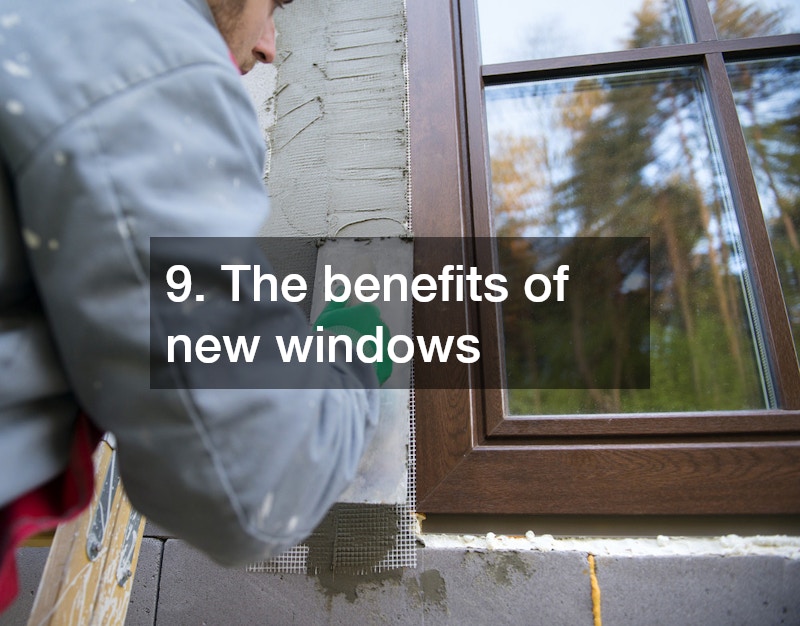
Windows are another important home improvement to consider first because they affect comfort, energy efficiency, and curb appeal. Older or damaged windows can allow drafts, moisture, and outside noise into the home, making living spaces less comfortable and potentially raising energy costs. Hiring a window installer to repair or replace windows can improve insulation, brighten interior rooms, and give the exterior a cleaner, more updated appearance. This upgrade can also help protect the home from weather damage while making everyday living more comfortable.
10. What makes a fence a great addition
Installing a wood fence is a helpful home improvement to consider first because it can add privacy, security, and structure to your outdoor space. A well-built fence can define property lines, create a safer area for children or pets, and improve the overall appearance of the yard. Homeowners can choose from wood, vinyl, aluminum, or chain-link options depending on their style, budget, and maintenance preferences. Adding a fence can make the property feel more complete while supporting both function and curb appeal.
Starting with practical home improvements can make your property safer, more comfortable, and more attractive. Whether you choose pressure washing, window updates, or fence installation, each project can add lasting value while helping your home better fit your needs.