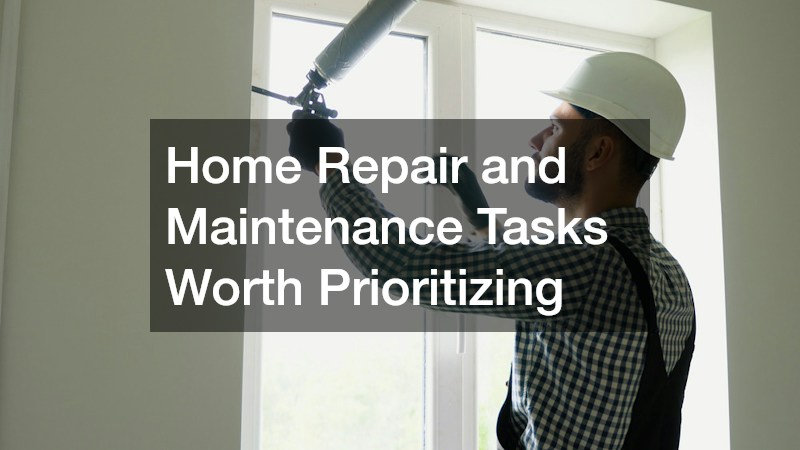
Your home is one of your most significant investments, and keeping it in good condition requires consistent attention to its many systems and structural features. From the roof overhead to the plumbing and electrical components behind the walls, each part of your property contributes to its safety, comfort, and functionality. Although some maintenance needs are easy to recognize, others develop gradually and remain unnoticed until they begin affecting your daily routine. Regular inspections and timely repairs can help identify these concerns before they lead to more extensive damage or costly disruptions.
Home maintenance also involves understanding how different parts of your property work together. A roof leak, for example, can contribute to moisture problems inside the home, while an underground drainage issue can affect the surrounding yard and foundation. Heating and cooling equipment, water systems, garage doors, and other essential features also require periodic attention to remain dependable. Addressing maintenance concerns as they arise can help preserve your home’s condition and support a more comfortable living environment.
Whether you own an older property or a newer house, developing a practical approach to maintenance can make it easier to manage repairs throughout the year. Knowing which warning signs to watch for and when to contact a professional can help you protect your property and avoid unnecessary complications. The following areas highlight important parts of your home that deserve regular attention.
Protecting Your Home With Routine Roof Inspections
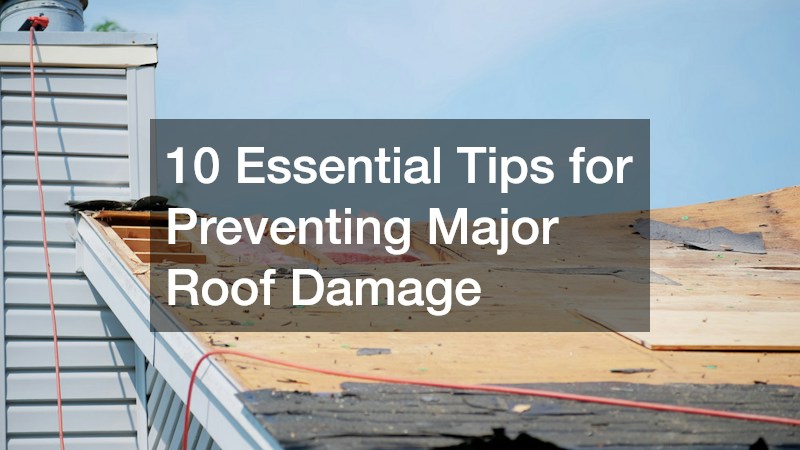
 Your roof protects the interior of your home from rain, snow, wind, and other outdoor conditions. Over time, exposure to changing temperatures and severe weather can wear down roofing materials, loosen flashing, and create openings where moisture can enter. Even minor roofing problems can affect insulation, ceilings, walls, and other areas if water continues to penetrate the structure. Scheduling routine inspections can help identify damage early and determine whether maintenance or repairs are necessary.
Homeowners should pay attention to visible signs of roof deterioration, including missing, cracked, curling, or damaged shingles. Dark stains on ceilings, peeling paint near the roofline, and water spots in the attic can also indicate a potential leak. However, not every roofing concern is visible from the ground. Professional roofing contractors can examine the roof’s surface, flashing, ventilation components, and other areas to identify problems that might otherwise go unnoticed.
The timing of an inspection can also affect how well your roof performs throughout the year. Severe storms, heavy snowfall, and strong winds can cause damage that requires attention before the next season arrives. Regular evaluations can help homeowners understand the condition of their roofing system and plan for necessary repairs. If the roof has reached the end of its expected service life, a professional can also discuss whether replacement is more practical than continued repairs.
Maintaining Reliable Access to Your Household Water Supply
A dependable water supply is essential for cooking, cleaning, bathing, laundry, and many other household activities. Homes that rely on private wells depend on a pump system to move water from the well into the plumbing network. When the pump or its related components begin to malfunction, homeowners may experience reduced water pressure, inconsistent water flow, or a complete loss of water service. Addressing these issues promptly can help restore normal household operations.
Several warning signs can indicate that a well pump needs attention. Faucets may produce unusually weak water pressure, or the water supply may fluctuate while multiple fixtures are in use. A pump that frequently cycles on and off, makes unusual noises, or runs continuously can also indicate a mechanical or electrical problem. These symptoms can have several possible causes, so a professional evaluation is important before determining which repairs are appropriate.
Well pump repairs may involve addressing worn components, pressure switch problems, electrical connections, or issues with the pressure tank. The specific repair depends on the system’s condition and the source of the malfunction. Routine inspections can also help identify developing concerns before they interfere with the household water supply. Homeowners should keep track of changes in water pressure or pump operation and contact a qualified technician when problems arise.
Keeping Indoor Temperatures Comfortable Throughout the Year
A reliable heating and cooling system helps maintain comfortable indoor temperatures as outdoor conditions change. During warmer months, air conditioning equipment removes heat from indoor spaces, while heating equipment provides warmth during colder weather. Both systems depend on multiple components working together, and problems with one part can affect overall performance. Regular maintenance can help keep equipment operating properly and reduce the likelihood of unexpected breakdowns.
Uneven temperatures throughout the home can be an early indication that the system needs attention. Some rooms may feel warmer or colder than others, or the equipment may run longer than usual without reaching the thermostat setting. Unusual noises, weak airflow, frequent cycling, and unexpected increases in energy use can also signal a problem. Although these symptoms do not always indicate a major repair, they deserve attention before the equipment experiences further strain.
Professional heating and cooling maintenance typically involves inspecting important components, checking system operation, and identifying parts that need cleaning, adjustment, or repair. Technicians can also evaluate airflow, thermostat performance, and other factors that influence indoor comfort. Seasonal service is particularly useful because it allows homeowners to address potential concerns before periods of heavy use. Keeping maintenance records and responding to changes in system performance can help support dependable operation throughout the year.
Maintaining Safe and Reliable Garage Door Operation
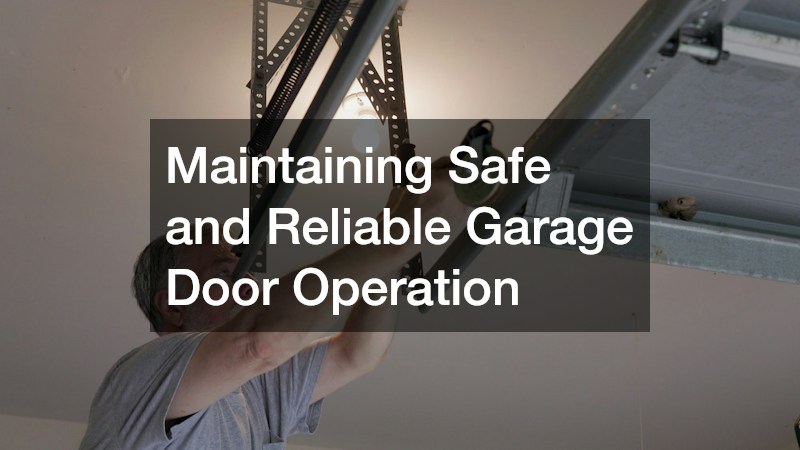
A garage door is a large moving component that homeowners often use several times each day. Its operation depends on a combination of tracks, rollers, springs, cables, sensors, and an opener. When one of these components becomes damaged or worn, the door may move unevenly, produce unusual sounds, or stop functioning altogether. Because garage doors are heavy and operate under tension, mechanical problems should be evaluated by trained professionals.
Homeowners may notice that the door hesitates while opening, closes unevenly, or reverses unexpectedly. Grinding, squeaking, and banging noises can also indicate that certain parts require attention. In some cases, the opener may struggle to move the door, or the remote control may stop responding consistently. These problems can involve electrical components, mechanical wear, sensor alignment, or other issues that require a thorough inspection.
Professional garage door service can address problems with the door’s moving parts, opener, safety sensors, and supporting hardware. Technicians can determine whether components need adjustment, repair, or replacement based on the condition of the system. Regular inspections are also important because worn springs and cables can create safety hazards if they fail. Homeowners should avoid attempting repairs involving high-tension components and arrange professional service when the door shows signs of malfunction.
Addressing Septic System Issues Before They Worsen
For homes that are not connected to a municipal sewer system, a septic system manages wastewater generated by household activities. The system typically includes a septic tank and a drain field, which work together to separate solids and allow wastewater to be treated and dispersed. Proper operation depends on regular maintenance and the condition of the system’s individual components. Ignoring warning signs can lead to unpleasant odors, wastewater backups, and damage to the surrounding property.
Slow drains throughout the home can sometimes indicate a septic system concern, particularly when several plumbing fixtures are affected at once. Homeowners may also notice sewage odors near the tank or drain field, unusually wet areas in the yard, or wastewater backing up into sinks and toilets. These symptoms should not be ignored because they can indicate a blockage, an overloaded tank, or a problem with the drain field.
Septic repairs may involve correcting damaged pipes, addressing blockages, or resolving problems with the tank and related components. A qualified septic professional can inspect the system, identify the source of the issue, and recommend an appropriate solution. Regular pumping and inspections are also important parts of septic maintenance, although the recommended schedule depends on household size, water use, and tank capacity. Keeping records of service appointments can help homeowners monitor the system and plan for future maintenance.
Recognizing Signs of Underground Drainage Problems
Underground sewer lines carry wastewater away from the home, making them an essential part of the plumbing system. Because these pipes are buried, damage can develop without producing obvious signs at first. Aging materials, shifting soil, tree root intrusion, corrosion, and ground movement can contribute to cracks, blockages, or collapsed sections. When these problems interfere with wastewater flow, homeowners may experience recurring plumbing issues and damage around the property.
Several warning signs can suggest a problem with an underground sewer line. Multiple slow drains, repeated backups, gurgling sounds, and persistent sewage odors may indicate that wastewater is not moving through the system properly. Changes in the yard can also provide clues. Unusually green grass, soggy areas, sunken ground, or standing water near the sewer line may indicate a leak or other underground problem.
A professional inspection can help determine whether the issue involves a blockage, damaged pipe, or more extensive deterioration. Depending on the location and severity of the damage, sewer line replacements may be necessary to restore reliable drainage. A technician can assess the condition of the existing line and explain the available repair or replacement methods. Addressing sewer problems early can help limit property damage and reduce the risk of recurring wastewater disruptions.
Preserving Brick and Stone Features Around Your Home

Brick and stone features contribute to a home’s appearance while also serving practical purposes. These materials may be used in exterior walls, chimneys, walkways, retaining walls, patios, and other structures around the property. Although masonry is known for its durability, it can still deteriorate after years of exposure to moisture, temperature changes, and shifting ground. Routine evaluations can help homeowners identify damage before it affects the stability or appearance of these features.
Cracked bricks, loose stones, deteriorating mortar, and gaps between masonry materials can indicate that repairs are needed. White, powdery deposits on brick surfaces may also appear when moisture moves through the material and leaves mineral deposits behind. In colder climates, repeated freezing and thawing can contribute to cracking and surface deterioration. Water that enters small openings can gradually cause additional damage if the underlying problem remains unresolved.
Professional masonry service can address concerns involving mortar joints, damaged bricks, stonework, and other masonry components. Depending on the condition of the structure, repairs may involve replacing deteriorated materials, restoring mortar joints, or correcting areas where water is entering. Chimneys and retaining walls deserve particular attention because deterioration in these structures can create safety concerns. Periodic inspections and prompt repairs can help preserve masonry features and maintain their function for years to come.
Identifying and Addressing Structural Foundation Concerns
A home’s foundation supports the structure above it and helps distribute its weight across the ground. Changes in soil conditions, poor drainage, water intrusion, and natural settling can affect foundation performance over time. While some minor settling can occur as a house ages, certain changes may indicate a more significant structural concern. Recognizing these signs early can help homeowners determine whether a professional evaluation is necessary.
Cracks in foundation walls are among the more visible signs of potential problems. However, the location, direction, width, and progression of a crack can all influence how it should be evaluated. Other warning signs include uneven floors, doors or windows that become difficult to open, gaps around frames, and cracks appearing in interior walls. Water entering a basement or crawl space can also indicate drainage or foundation concerns that deserve attention.
Foundation repairs depend on the underlying cause and the extent of the damage. A qualified contractor can assess the structure, evaluate surrounding conditions, and recommend appropriate repair methods. Some projects focus on correcting water intrusion, while others may involve stabilizing or reinforcing parts of the foundation. Homeowners should avoid assuming that every crack requires the same solution. A professional assessment can help distinguish routine cosmetic changes from issues that could affect the home’s structural stability.
Resolving Common Household Plumbing Problems
Household plumbing supports everyday activities by delivering clean water and carrying wastewater away from sinks, showers, toilets, and appliances. Because plumbing systems contain many connected pipes, valves, fixtures, and drains, a problem in one area can sometimes affect other parts of the home. Small leaks and minor drainage issues can also cause damage when left unresolved. Paying attention to changes in plumbing performance can help homeowners identify concerns before they become more disruptive.
Dripping faucets, running toilets, slow drains, and leaking pipes are common reasons to request plumbing service. A sudden drop in water pressure may indicate a problem with a fixture, valve, or supply line. Homeowners should also pay attention to damp cabinets, discolored walls, water stains, and unexplained increases in water use. These signs can indicate hidden leaks that need professional attention.
A qualified plumber can inspect the affected fixtures and pipes, identify the source of the problem, and recommend suitable repairs. Depending on the issue, service may involve replacing worn components, repairing damaged connections, clearing blockages, or addressing leaks in accessible plumbing lines. More extensive problems may require evaluating sections of the plumbing system rather than focusing on a single fixture. Prompt repairs can help limit water damage, reduce waste, and restore dependable operation throughout the home.
Maintaining Safe and Dependable Electrical Systems

Your home’s electrical system supplies power to lighting, appliances, heating and cooling equipment, and many other essential features. Because electrical components are connected throughout the property, problems with wiring, outlets, switches, or circuit breakers can affect multiple areas. Electrical concerns can also create safety risks, making it important to address warning signs rather than continuing to use malfunctioning equipment. Routine evaluations can help identify aging components and potential hazards.
Flickering lights, frequently tripped breakers, buzzing sounds, warm outlets, and discolored switch plates can all indicate electrical problems. Homeowners may also notice that certain outlets stop working or that lights dim when larger appliances turn on. These symptoms can have different causes, including overloaded circuits, loose connections, damaged wiring, or failing components. A professional inspection can help determine what is happening and whether repairs or upgrades are necessary.
An experienced electrical company can evaluate the system, identify potential hazards, and complete repairs according to applicable electrical codes. Depending on the home’s needs, service may involve replacing damaged outlets, repairing wiring, updating electrical panels, or installing additional circuits. Older homes may require particular attention because their electrical systems might not be designed to support modern household demands. Homeowners should avoid attempting electrical repairs themselves and contact a licensed professional when problems arise.
Maintaining a home involves more than responding to visible damage or waiting until an essential system stops working. Roofing, plumbing, electrical components, heating and cooling equipment, drainage systems, and structural features all contribute to the property’s overall condition. When one area develops a problem, the effects can sometimes extend to other parts of the home. A consistent maintenance routine can help homeowners recognize these concerns and arrange appropriate service before they lead to larger disruptions.
Ultimately, protecting your home requires ongoing attention and a willingness to address maintenance concerns as they develop. Routine inspections, timely repairs, and dependable professional service can help preserve important systems and maintain a comfortable living environment. By taking a proactive approach to property care, homeowners can better manage unexpected problems, protect their investment, and support the long-term condition of their homes.