
Owning a home is a significant milestone, but it also comes with a tremendous amount of responsibility. The true comfort and safety of a house rely entirely on the complex network of systems hidden behind the walls, floors, and ceilings. When these invisible networks function properly, daily life flows without interruption. However, when these critical components are neglected, minor inefficiencies can quickly escalate into catastrophic failures that disrupt your routine and drain your bank account. A proactive approach to home maintenance is the most effective strategy for preventing unexpected breakdowns and extending the lifespan of your property. By dedicating a small amount of time to routine upkeep, you can identify potential vulnerabilities before they compromise your living environment. This comprehensive guide explores practical methods for ensuring your residential infrastructure remains in peak condition year-round, ultimately safeguarding your investment and providing you with unparalleled peace of mind.
Replace the Air Filters Regularly
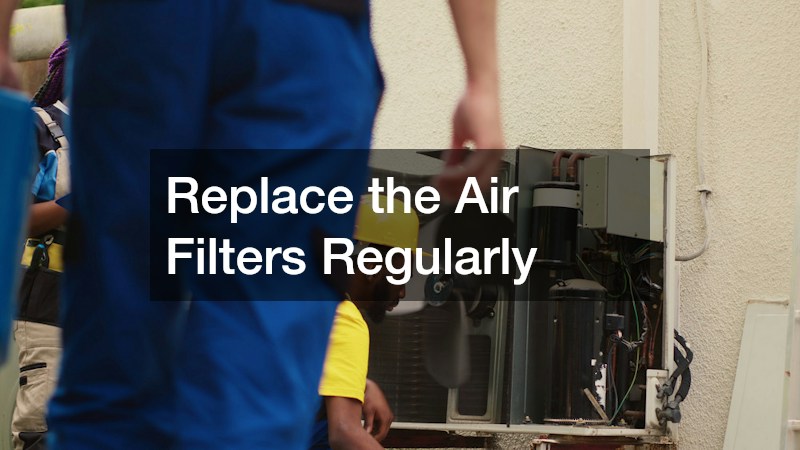
The internal atmosphere of your residence is continuously circulated through a central ventilation network, making the quality of that air a top priority for your health and comfort. Air filters serve as the primary line of defense against airborne contaminants, capturing dust, pet dander, and microscopic debris before they spread throughout your living spaces. Over time, these protective barriers become saturated with the very particles they are designed to trap, which significantly restricts the natural flow of air. When airflow is impeded, the entire climate control mechanism is forced to work substantially harder, leading to increased energy consumption and higher monthly utility bills.
To maintain optimal efficiency, you should make it a strict habit to swap out these filters every one to three months. A clean filter ensures that the blower motor does not overheat and that the internal coils remain free of insulating grime, which is essential for proper temperature regulation. Neglecting this simple task is one of the most common reasons homeowners eventually face a sudden mechanical breakdown. If the system is pushed to its breaking point because of chronic neglect, you might end up needing professional AC repair to restore functionality to your home. By keeping a fresh supply of filters on hand, you can easily avoid this stressful scenario.
Inspect the HVAC System Seasonally
As the external environment transitions between extremes, your home’s climate management equipment must adapt to drastically different operational demands. Preparing for these seasonal shifts is crucial, as the sudden change in workload can easily expose hidden vulnerabilities within the machinery. A comprehensive seasonal inspection allows you to evaluate the overall condition of the unit before you rely on it for daily comfort. This evaluation involves looking at the exterior unit to ensure it is free of overgrown vegetation that could block crucial ventilation ports, while also checking that all interior supply and return registers are completely unobstructed by furniture.
Beyond the simple visual checks, a thorough seasonal transition requires paying close attention to the mechanical integrity of the internal components. As the colder months approach, you want to be absolutely certain that the ignition switches, heat exchangers, and blower assemblies are operating safely. Addressing minor wear and tear during the mild days of autumn is significantly less stressful than waiting for a complete system failure during a winter storm. Taking the time to handle these seasonal checkups minimizes the risk that you will be desperately searching for emergency heating repairs when the temperature plummets below freezing. Dedicating a single weekend each spring and fall to inspect these vital mechanisms will dramatically extend their lifespan.
Flush the Water Heater Annually
Your home relies on a consistent supply of hot water for everything from morning showers to washing dishes, making the water heater an indispensable appliance. Over months of continuous operation, dissolved minerals found in your municipal water supply naturally settle at the bottom of the holding tank. This sediment accumulation creates an insulating layer between the heating element and the water, forcing the system to consume significantly more energy to reach the desired temperature. If left unchecked for multiple years, this hardened mineral buildup can cause the metal tank to deteriorate from the inside out, leading to catastrophic leaks and premature equipment failure.
To combat this inevitable mineral accumulation, it is highly recommended to drain and flush the storage tank at least once a year. The process involves attaching a heavy-duty garden hose to the drainage valve and allowing the water to flow out until it runs completely clear of debris. Removing this sludge not only restores the thermal efficiency of the appliance but also drastically extends its functional lifespan. While ambitious individuals often tackle this project independently, many property owners rely on experienced local plumbers to handle the procedure, ensuring that the high-pressure valves are managed safely and the surrounding floors remain completely dry.
Test the Smoke Detectors Monthly

The safety of your family and the preservation of your property rely heavily on the immediate detection of hazardous conditions, particularly the sudden outbreak of a fire. Smoke alarms are designed to provide the critical early warnings necessary to evacuate a burning structure before escape routes become completely blocked by toxic fumes. Unfortunately, these electronic devices are not infallible, and their internal sensors can become compromised by dust accumulation or exhausted power supplies over time. Assuming that a silent alarm is fully operational is a dangerous gamble that can have devastating consequences during an unexpected nighttime emergency.
Establishing a monthly testing routine takes only a few moments but provides an invaluable layer of security for your entire household. Simply pressing the test button on each unit verifies that the audible alert is loud enough to wake sleeping individuals and that the internal circuitry is functioning correctly. As you conduct this monthly walkthrough to check your alarms, it is also a great opportunity to inspect the surrounding ceilings for hidden moisture damage that might necessitate a professional roof repair before structural rot sets in. Keeping spare batteries readily available ensures that you can immediately address any low-power chirps without enduring frustrating delays.
Check the Plumbing Fixtures Routinely
The vast network of pipes coursing through your residence is responsible for delivering clean water and safely removing wastewater, but it requires diligent monitoring to prevent disastrous leaks. Even a seemingly insignificant drip from a bathroom faucet or a toilet that continuously runs can waste thousands of gallons of water over a single year, causing a sharp spike in your monthly utility expenses. Furthermore, persistent moisture escaping from loose connections under sinks can foster the rapid growth of hazardous mold and silently rot the wooden cabinetry and flooring structures. Catching these minor plumbing discrepancies early is the best way to avoid extensive water damage and expensive remediation efforts.
A thorough visual inspection of all exposed pipes, supply lines, and drainage traps should be incorporated into your regular household maintenance schedule. Pay close attention to how quickly water exits your sinks and tubs, as a sluggish drain often indicates a developing clog deeper within the internal pipe network. If you notice that multiple fixtures are draining slowly or emitting foul odors at the same time, this systemic failure might indicate a full-capacity waste tank that requires an urgent septic service to avert a highly unsanitary backup into your living areas. Proactively tightening loose fittings and replacing degraded rubber washers will keep your water systems flowing smoothly and efficiently.
Maintain the Sump Pump Proactively
A reliable sump pump acts as the primary defense against devastating basement flooding and costly interior water damage. Placed in the lowest section of a residence, this motorized appliance automatically ejects rising groundwater away from the foundation during periods of heavy rainfall. When this protective mechanism fails during a severe storm, the resulting inundation can destroy valuable stored possessions and completely ruin finished subterranean spaces. Consistent monitoring is necessary to guarantee this water extraction tool is ready to activate the moment ambient moisture levels rise.
Testing the equipment involves pouring a large bucket of water directly into the collection pit to verify the float switch engages the motor smoothly. You must also remove the submersible unit occasionally to clear away accumulated mud or gravel that could jam the rotating impeller blades. While this specific pump strictly handles groundwater, addressing household wastewater emergencies often requires professional septic tank services to restore sanitary conditions safely. Ensuring your groundwater pump operates flawlessly protects your lowest floors from unexpected subterranean water intrusion all year long.
Clean the Refrigerator Coils Biannually

The kitchen refrigerator is one residential appliance that operates continuously, working around the clock to preserve your perishable groceries safely. Condenser coils, typically located beneath or behind the main unit, are responsible for dissipating the heat extracted from the interior cooling compartments. When these crucial metal coils become heavily coated with dust and pet hair, they lose their ability to release heat effectively into the surrounding room. This insulating layer of grime forces the internal compressor to run substantially longer, drastically increasing electrical consumption and accelerating mechanical wear.
Restoring the efficiency of your primary food storage appliance requires a straightforward cleaning process performed every six months. Unplug the machine from the wall, remove the protective base grille, and use a narrow vacuum attachment to gently extract accumulated debris from the delicate metallic fins. Just as ignoring compromised shingles will eventually lead to extensive roof repairs, neglecting these hidden condenser coils guarantees a premature and highly disruptive appliance failure. Dedicating just a few minutes to this simple task ensures your groceries remain perfectly chilled while simultaneously lowering household energy expenditures.
Clear the Drainage Systems Promptly
Efficient wastewater removal is crucial for maintaining proper residential hygiene, making the structural integrity of your drainage network incredibly important to monitor. Over time, loose hair, sticky soap scum, and stray food particles naturally accumulate along the inner walls of your household plumbing pipes. This thick residue slowly constricts the available passageways, transforming a fast-flowing sink into a frustratingly slow basin that constantly leaves behind a filthy ring of scum. Ignoring these early warning signs of a developing blockage inevitably leads to completely obstructed pipes that can overflow onto your floors.
Addressing sluggish pipes immediately prevents minor daily inconveniences from escalating into major sanitary disasters that disrupt your entire schedule. Homeowners should utilize a standard rubber plunger or a manual plumbing snake to physically extract shallow clogs located near the surface of the fixture. If a particularly stubborn obstruction deep within the walls resists these manual efforts, you must hire a professional drain cleaning company to blast away the hardened debris safely. Avoiding harsh chemical solvents and addressing clogs mechanically will keep wastewater flowing swiftly out of your residence without degrading the pipes.
Seal the Windows and Doors Securely
The structural envelope of your residence is primarily responsible for maintaining a consistent internal temperature, yet the various entry points remain highly susceptible to thermal leaks. Windows and exterior doors naturally expand and contract with fluctuating weather conditions, which gradually degrades the seals designed to block out the external elements. When these microscopic gaps form around your exterior frames, costly artificially heated or cooled air easily escapes into the environment, forcing your climate management appliances to work overtime. Identifying and eliminating these invisible drafts is a highly effective method for immediately reducing your monthly energy expenditures and enhancing indoor comfort.
A careful visual inspection of all external thresholds and window sashes will quickly reveal where aging weatherstripping has cracked or where original caulking has completely peeled away. Applying fresh silicone sealant to these vulnerable joints creates a formidable barrier against both moisture intrusion and invasive pests seeking shelter from the cold. As you seal up the primary house, it is also a wonderful time to evaluate how drafts might affect the transition areas leading to your outdoor living spaces, ensuring those patio doors shut tightly against the wind. Taking the time to properly insulate these critical barriers ensures your carefully controlled indoor climate remains exactly where it belongs.
Monitor the Electrical Connections Safely

The hidden electrical framework powering your modern conveniences requires profound respect and consistent observation to prevent catastrophic fire hazards. Over the years, the constant vibration of daily life and natural temperature fluctuations can cause wire connections within junction boxes and primary breaker panels to loosen imperceptibly. These compromised physical connections create dangerous electrical resistance, generating intense localized heat that can quickly melt surrounding insulation and ignite adjacent building materials. Routinely evaluating the health of your electrical infrastructure is an absolute necessity for protecting your property from sudden and devastating electrical fires.
While complex electrical modifications should always be left to licensed professionals, homeowners can safely perform visual audits of their visible systems and external power lines. Check all interior outlets for signs of scorching, ensure breakers trip easily during manual testing, and examine the primary service drop connecting your home to the municipal grid. If you notice thick branches heavily leaning against these vital overhead power cables, you must schedule professional tree trimming immediately to eliminate the risk of a severed line during the next severe windstorm. Addressing these potential electrical hazards proactively guarantees a steady and secure flow of power to all your essential household devices.