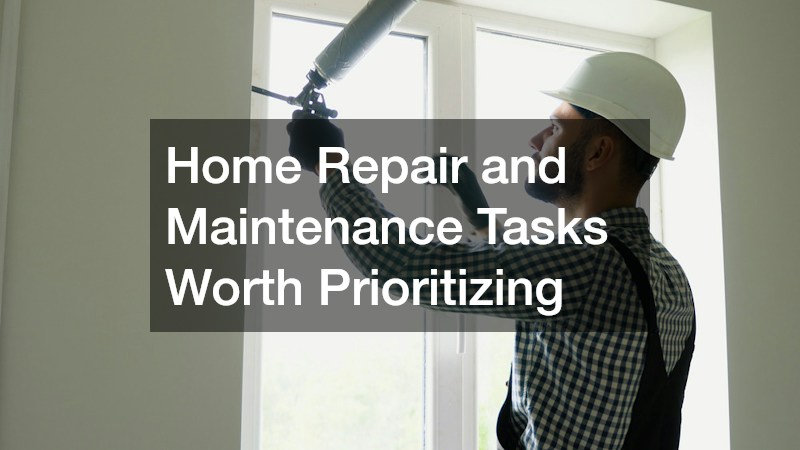
Keeping a home in good condition requires regular attention to the systems, structures, and equipment that support everyday life. From heating and cooling equipment to plumbing, fencing, and household appliances, each part of a property plays a role in its safety, comfort, and functionality. Addressing problems early can help homeowners avoid additional damage, reduce disruptions, and make informed decisions about repairs.
A practical maintenance plan should account for the home’s age, climate, equipment, and specific needs. Homeowners can prioritize urgent problems, schedule preventive maintenance, and plan larger projects according to their budgets. The following repair and maintenance tasks highlight important areas to monitor to keep a home safe, reliable, and comfortable throughout the year.
Keeping Garage Access Safe and Reliable
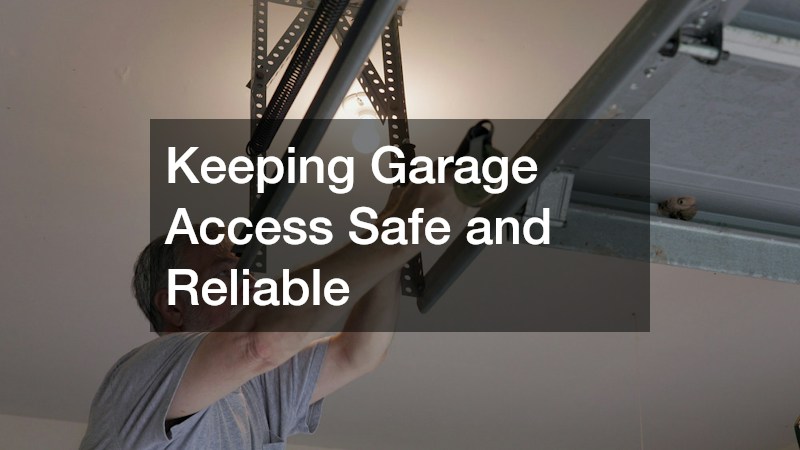
A garage door provides convenient access to the home while helping protect vehicles, tools, and stored belongings. Because it moves frequently and relies on several mechanical components, regular inspections can help homeowners identify problems before the door becomes difficult or unsafe to operate.
Watch for signs such as grinding noises, uneven movement, slow opening, or a door that reverses unexpectedly. These symptoms can indicate worn rollers, damaged tracks, sensor problems, or issues with the opener. A door that doesn’t close completely can also affect home security and allow outside air or moisture into the garage.
Professional garage door repairs can address problems involving springs, cables, tracks, and automatic openers. These components work together to support and control the door’s movement. Damaged springs and tensioned cables can be particularly dangerous to handle without proper training and equipment, so homeowners should avoid attempting those repairs themselves.
Basic maintenance can help keep the door operating smoothly. Keep the area around the tracks clear, check that safety sensors aren’t obstructed, and follow the manufacturer’s instructions for cleaning and lubrication. Test the automatic reversal features according to the manual, and arrange professional service if the door doesn’t respond correctly.
It’s also important to address damage to the door panels and weather seals. Cracks, dents, or deteriorated seals can affect durability and insulation. Prompt attention helps maintain reliable access, protect stored belongings, and reduce the likelihood of a minor mechanical issue developing into a larger repair.
Addressing Wastewater System Problems Early
A home’s wastewater system needs regular attention to function properly and protect the surrounding property. Homes with septic systems rely on underground tanks and drain fields to manage household wastewater. Problems with these components can cause unpleasant odors, slow drains, sewage backups, or wet areas in the yard.
Homeowners should watch for warning signs such as multiple drains running slowly, wastewater backing up into fixtures, or persistent sewage odors near the tank or drain field. Unusually lush or soggy patches above the system can also indicate a problem. These symptoms don’t always have the same cause, so a qualified professional should assess the situation.
Timely septic repair can help address damaged pipes, tank components, or other system issues before they cause more extensive problems. The appropriate solution depends on the system’s condition and the source of the failure. In some cases, a problem may involve a blockage or maintenance need rather than damaged equipment.
Routine care is equally important. Have the tank inspected and pumped according to its design, household usage, and the recommendations of a qualified septic professional. Avoid driving or parking heavy vehicles over the tank or drain field, and keep trees with potentially invasive roots away from system components.
Homeowners should also be mindful of what enters the drains. Grease, wipes, and other unsuitable materials can contribute to blockages or interfere with system operation. If sewage backs up or a strong sewage odor develops, seek professional help promptly and avoid contact with wastewater. Early attention can protect household sanitation, the yard, and the long-term performance of the system.
Maintaining a Reliable Private Water Supply
Homes that depend on private wells need reliable equipment to deliver water for drinking, cooking, bathing, and other household needs. A well system may include a pump, pressure tank, electrical controls, piping, and treatment equipment. Problems with any of these components can affect water pressure, supply, or quality.
Warning signs include sudden pressure changes, sputtering faucets, unusual pump noises, cloudy water, or a noticeable change in taste or odor. A pump that runs continuously or cycles on and off frequently may also indicate a problem. These symptoms can have several causes, so homeowners shouldn’t assume that replacing one component will resolve the issue.
A water well repair company can inspect the system, identify the source of the problem, and recommend appropriate repairs. Depending on the findings, the work might involve the pump, pressure controls, tank, wiring, or pipes. If water quality changes, testing can help determine whether treatment or further investigation is needed.
Routine monitoring can help homeowners recognize changes early. Keep records of maintenance, water testing, and repairs, and follow recommendations for inspecting the well and its associated equipment. Make sure the well cap and surrounding area remain secure and protected from potential contamination.
Private well owners should test their water regularly and whenever they notice changes or suspect contamination. Testing recommendations vary by location and local conditions, so consult the relevant health department or water specialist for guidance. If the water may be unsafe, use an appropriate alternative supply until the issue has been assessed.
Maintaining the well system helps support a dependable household water supply and can reveal mechanical or water quality concerns before they cause prolonged disruption.
Extending the Life of Everyday Household Equipment
Household appliances make daily routines easier, but regular use can lead to wear, reduced performance, and mechanical problems. Refrigerators, dishwashers, washing machines, dryers, and ovens all benefit from appropriate care. Addressing early warning signs can help homeowners determine whether maintenance or repair is needed.
Look for changes in performance, unusual noises, leaks, burning smells, or unexpected increases in energy use. A refrigerator that struggles to maintain temperature, for example, may need attention before food spoils. A washing machine that leaks or vibrates excessively could have a drainage, balance, or mechanical problem.
Professional appliance repair can help identify the cause of a malfunction and determine whether repairing or replacing the unit makes more sense. The decision depends on the appliance’s age, condition, repair cost, and expected remaining service life. A qualified technician can explain the available options without requiring homeowners to replace equipment automatically.
Preventive care can reduce avoidable wear. Clean appliance filters according to the manufacturer’s instructions, avoid overloading washing machines and dishwashers, and keep refrigerator vents clear. For dryers, remove lint from the lint screen after each load and arrange periodic cleaning of the exhaust vent to reduce fire risk.
Homeowners should also pay attention to electrical safety. Stop using an appliance if it produces a burning smell, sparks, or repeatedly trips a circuit breaker. Unplug it if it’s safe to do so, and seek qualified assistance. Gas appliances that smell of gas require immediate caution; leave the area and contact the appropriate emergency or gas service from a safe location.
Preserving Your Property’s Boundaries and Security
Fences provide privacy, define property boundaries, and help keep children and pets within designated areas. They can also support landscaping and improve the usability of outdoor spaces. Exposure to weather, soil movement, and regular use can weaken fence posts, loosen fasteners, and damage panels or gates.
Inspect the fence periodically for leaning posts, loose boards, rusted hardware, cracked sections, and gates that no longer latch properly. Wooden fences may develop rot where posts contact the ground, while metal fencing can corrode if its protective finish deteriorates. Vinyl fencing can crack or become unstable after impact or extreme weather.
Prompt fence repair can restore stability and help prevent damaged sections from spreading problems to adjacent areas. The appropriate work depends on the material and the cause of the damage. A loose gate may need adjusted hinges or a new latch, while a leaning section may require attention to the posts or their foundations.
Before repairing or replacing a fence, confirm property boundaries and check local rules or homeowners association requirements where applicable. Underground utility lines should also be identified before digging. These steps can prevent disputes, avoid damage, and help ensure the work meets relevant requirements.
Restoring Indoor Comfort During Hot Weather
An air conditioning system helps regulate indoor temperatures and can control humidity during hot weather. When the equipment struggles to cool the home, runs continuously, or produces unusual sounds, it may need inspection. Ignoring these symptoms can lead to discomfort and additional strain on the system.
Common warning signs include weak airflow, warm air from vents, water around the indoor unit, or uneven temperatures between rooms. Dirty filters can restrict airflow, while refrigerant issues, blocked drain lines, or mechanical faults may require professional attention. Homeowners should avoid assuming that every cooling problem is caused by a low refrigerant level.
Timely AC repairs can restore system performance and help prevent small faults from worsening. A qualified technician can inspect the equipment, identify the cause of the problem, and explain the recommended work. Refrigerant handling and electrical repairs should be left to appropriately trained professionals.
Routine maintenance can support reliable operation. Replace or clean air filters according to the manufacturer’s instructions, keep supply and return vents unobstructed, and remove leaves or debris from around the outdoor unit without damaging its components. Schedule professional maintenance as recommended to check system operation and identify developing concerns.
Protecting Your Home From Fireplace and Venting Issues
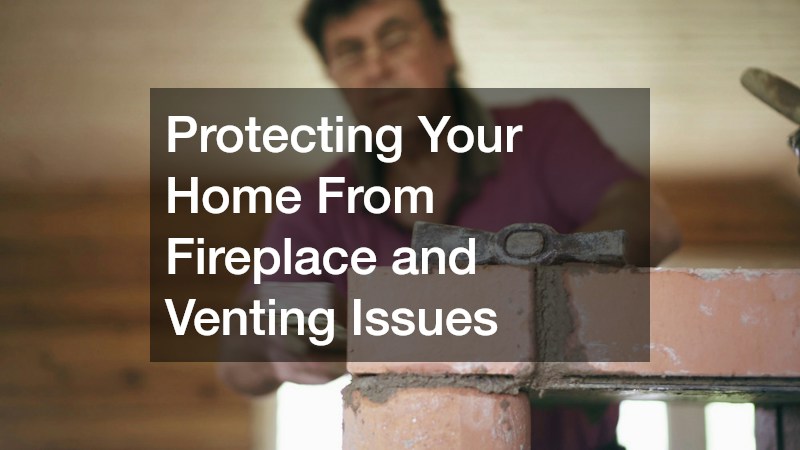
Fireplaces and chimneys need regular attention to help manage smoke, combustion gases, and heat safely. Over time, masonry can deteriorate, moisture can enter the structure, and deposits can accumulate inside the flue. These problems can affect fireplace performance and increase safety risks.
Watch for cracked masonry, loose bricks, damaged flashing, water stains near the chimney, or a persistent smoky smell. Smoke entering the living area, difficulty maintaining a fire, or visible damage to the chimney can indicate a problem that requires inspection. Some issues may be difficult to identify from the ground.
A chimney repair contractor can evaluate the structure, flue, crown, flashing, and other components. Depending on the findings, repairs may involve restoring masonry, addressing leaks, or correcting damage to the chimney liner. Regular chimney sweeping and inspections can also help identify soot and creosote buildup that needs attention.
Homeowners should arrange inspections according to the fireplace type, frequency of use, and professional recommendations. Use only appropriate fuel for the appliance, and avoid burning household waste or treated wood. Keep combustible items away from the fireplace, use a suitable screen when needed, and allow ashes to cool completely before disposal in a safe container.
Keeping Your Heating System Ready for Cold Weather
A dependable heating system helps maintain comfortable indoor temperatures when the weather turns cold. Furnaces rely on components such as burners, blowers, filters, thermostats, and safety controls. If one part malfunctions, the system may struggle to heat the home or stop working altogether.
Warning signs include uneven heating, unusual noises, frequent cycling, or a sudden increase in energy use. A furnace that repeatedly shuts off or produces unusual odors should be checked promptly. Homeowners should never ignore signs of a possible fuel leak or combustion problem.
Professional furnace repair can address problems involving ignition systems, blower motors, thermostats, and other components. A qualified technician can determine whether the issue is a repairable fault or part of a larger equipment concern. Work involving gas connections, combustion systems, and electrical components requires appropriate training.
Preventive maintenance can help prepare the furnace for colder weather. Replace filters according to the manufacturer’s instructions, keep supply and return vents clear, and make sure the area around the equipment remains unobstructed. Arrange inspections and servicing as recommended, particularly before the system enters a period of frequent use.
Resolving Leaks and Other Common Pipe Problems
Plumbing systems deliver clean water to fixtures and carry wastewater away from the home. Leaks, blockages, and damaged pipes can disrupt daily routines and cause damage to cabinets, floors, walls, and foundations if they’re not addressed promptly.
Common warning signs include dripping faucets, slow drains, low water pressure, damp spots, water stains, and unexplained increases in water use. Gurgling drains or recurring clogs may indicate a blockage deeper in the plumbing system. If several fixtures are affected at once, the problem may extend beyond an individual drain.
Professional plumbing repair services can diagnose leaks, clear suitable blockages, replace damaged pipe sections, and address faulty fixtures or valves. A plumber can also help determine whether repeated problems point to an underlying issue that requires a more comprehensive solution.
Homeowners can reduce avoidable plumbing problems by disposing of grease and unsuitable materials properly, cleaning accessible drain strainers, and checking exposed pipes for signs of leakage. During freezing weather, protect vulnerable pipes according to local recommendations. Know where the main water shutoff is located so the supply can be stopped quickly if a pipe bursts.
Coordinating Larger Home Repair and Improvement Projects

Some home repairs involve several systems or require work across multiple areas of the property. Examples include repairing storm damage, renovating a bathroom, correcting structural concerns, or coordinating improvements that involve plumbing, electrical work, and carpentry. These projects often require planning beyond a single repair appointment.
General contractors can coordinate different trades, organize project schedules, and oversee work according to the agreed scope. Depending on the project, they may help arrange permits, source materials, manage subcontractors, and communicate progress. Homeowners should confirm which responsibilities are included in the contractor’s agreement.
Before starting, define the project’s priorities and budget. Obtain written estimates, compare proposed materials and timelines, and check licensing and insurance requirements where applicable. Ask how unexpected problems will be handled and whether changes to the original scope require written approval.
It’s also helpful to identify which repairs are urgent and which can wait. Water intrusion, structural damage, and safety hazards generally deserve prompt attention, while cosmetic updates may be scheduled later. Prioritizing work can help homeowners allocate resources without overlooking problems that could worsen.
Clear communication is important throughout the project. Keep copies of contracts, permits, invoices, warranties, and inspection records. Discuss access to the property, expected disruptions, and cleanup responsibilities before work begins.
Prioritizing home repairs and maintenance helps protect a property, support household safety, and keep essential systems functioning properly. From garage doors and plumbing to heating equipment, appliances, and outdoor structures, each component needs attention suited to its condition and use. Recognizing warning signs early gives homeowners more time to assess the problem and determine the appropriate next steps.
Ultimately, maintaining a home is an ongoing process rather than a single project. By addressing problems promptly, keeping essential systems in good condition, and planning larger work carefully, homeowners can preserve comfort, functionality, and the long-term value of their properties.