
Older homes offer mature landscaping, distinctive materials, and established neighborhoods. Over the years, small leaks, shifting soil, worn components, and outdated equipment can develop gradually, making problems easy to overlook until they interrupt a household routine. Maintaining an aging property means looking beyond cosmetic updates and understanding how its major interconnected systems work together.
Start with regular inspections, a realistic budget, and clear priorities. Homeowners need to recognize which issues could threaten safety, allow water inside, waste energy, or cause further damage. The following eight areas offer a framework for deciding what to inspect, when to seek professional guidance, and how to plan improvements that respect a home’s character while supporting its continued use.
Start With a Thorough Property Assessment
Before scheduling individual projects, develop a clear picture of the home’s condition. Walk through each room and inspect accessible areas outside, noting cracks, stains, sticking doors, unusual sounds, damp odors, and changes since the previous season. Photograph concerns and record where they appear. A dated maintenance log helps distinguish a longstanding cosmetic flaw from a pattern that is getting worse.
Pay particular attention to the places where different systems meet. Water can enter around roof penetrations, window frames, plumbing connections, and the point where exterior grading approaches the house. Avoid assuming every crack indicates a structural emergency or that every draft requires a complete renovation. Observations are a starting point, not a diagnosis.
An inspector or specialist can assess widespread or elusive problems. Ask for written findings that distinguish immediate hazards, repairs that should be scheduled soon, and items that can be monitored. For an older property, it is also useful to identify the approximate age and service history of major equipment, even if everything appears to work today.
Keep records of previous work, warranties, permits where applicable, and contractor recommendations in one place. This history makes future decisions more informed and reduces the chance of paying twice to investigate the same problem. It also supports a maintenance plan based on the home’s actual condition rather than a generic calendar.
Protect the Roof and Control Moisture
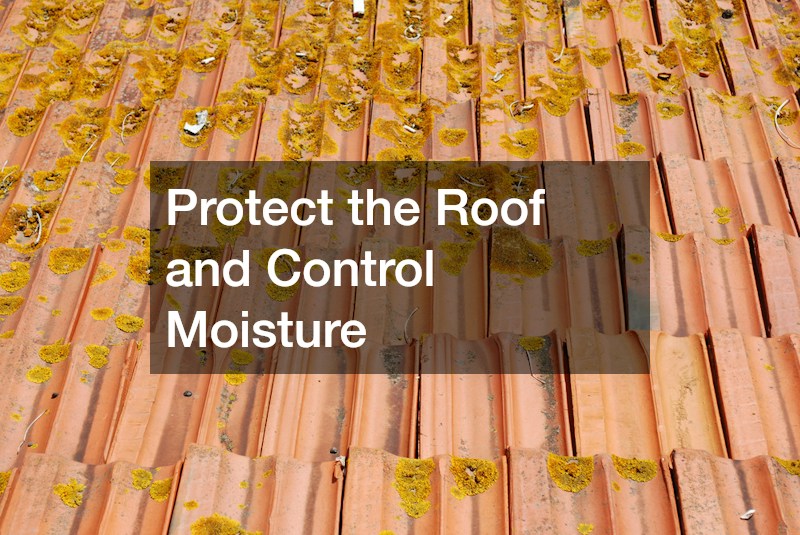
The roof is one of the home’s primary defenses against weather, but its condition cannot always be judged from the street. Missing shingles, damaged flashing, blocked gutters, and staining in the attic can all indicate that water is finding a path inside. Examine visible areas safely from the ground, and arrange professional inspections when there are signs of damage. Climbing onto a steep or deteriorating roof creates unnecessary risk.
Prompt roof repair may address a localized issue before moisture spreads into insulation, ceilings, or framing. Contractors should explain what failed, what the proposed work covers, and how they will check adjacent materials for damage.
Sometimes a roof has deteriorated across a larger area, or repeated repairs no longer resolve recurring problems. In those circumstances, roof replacement may be part of a more sensible long-term plan. Compare the condition of the existing covering, underlying materials, ventilation, and drainage before deciding on the scope. A replacement should solve the reasons the old roof failed, not simply install a new surface over unresolved moisture issues.
Clear gutters and direct downspout runoff away from walls. Check attic spaces after storms when it is safe to do so, and address signs of dampness promptly. Consistent moisture control can protect many other components of an aging home, including interior finishes and the foundation below.
Watch for Foundation Movement and Drainage Problems
An older house may have settled gradually over many years without developing a serious structural problem. New or widening cracks, sloping floors that appear to be changing, gaps around trim, and doors that suddenly stick deserve closer attention, however. Possible causes include moisture, drainage, deterioration, or ground movement. The visible symptom alone rarely tells the whole story.
Start by documenting changes and checking conditions outside. Downspouts that discharge beside the house, soil that slopes toward walls, and persistent standing water can contribute to moisture problems around the foundation. Do not fill a crack merely to hide it before its cause is understood.
Professional foundation repairs can vary considerably depending on the underlying issue. A specialist may recommend targeted stabilization, correction of a moisture source, or monitoring rather than extensive intervention. Ask what evidence supports the diagnosis, whether an independent structural engineer’s assessment would be appropriate, and how the proposed work addresses the cause rather than only the appearance of damage.
Foundation leveling services may be discussed when unevenness or movement warrants correction, but leveling is not automatically necessary for every older home with slightly sloped floors. Methods, suitability, and potential effects on finishes and connected utilities differ by structure. Obtain a clear explanation of the expected outcome and limitations before agreeing to major work. A measured approach protects the building while avoiding changes that do not address a demonstrated problem.
Keep Heating, Cooling, and Airflow Working Properly
Heating and cooling equipment often becomes less reliable as components wear and maintenance is deferred. Start with practical steps: replace or clean filters according to the system’s instructions, keep supply and return vents unobstructed, and pay attention to unusual cycling, noises, odors, or changes in comfort. Service visits can identify concerns; follow manufacturer guidance on frequency.
If rooms remain warm despite normal settings, or the system struggles to start, arrange air conditioning repair rather than repeatedly adjusting the thermostat. A technician can evaluate the equipment and identify whether the issue involves a component, airflow, controls, or another cause. Ask for an explanation of the repair, its expected lifespan, and whether the system has other significant problems that might affect the decision.
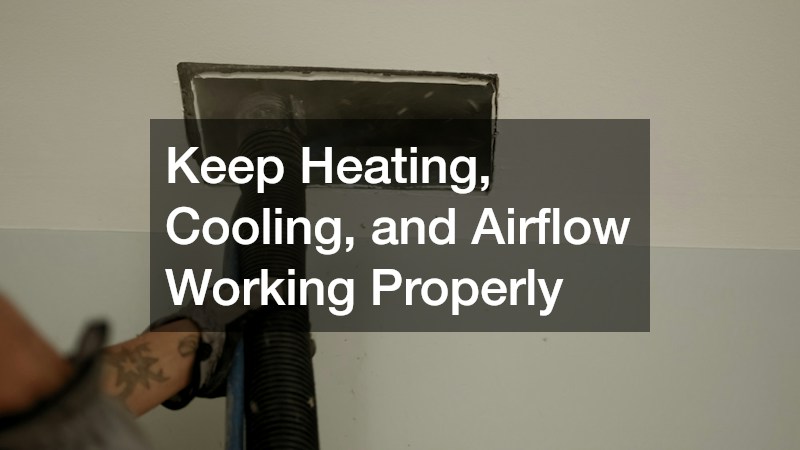
Airflow deserves attention, too, especially in homes with additions or alterations that changed the original layout. Leaky, disconnected, or obstructed ducts can contribute to uneven temperatures. Duct cleaning may be appropriate when there is substantial visible contamination, debris entering occupied spaces, or another identified reason to clean the system. It should not be treated as an automatic cure for every odor, allergy concern, or efficiency problem; the source of the issue should be established first.
Good maintenance combines equipment checks with attention to insulation, air leaks, and ventilation. These measures help homeowners make decisions based on the entire system instead of replacing parts at random whenever comfort changes.
Maintain Appliances and Check Household Utilities
Refrigerators, ovens, washers, dryers, and dishwashers are easy to take for granted until one stops working. Older appliances may need extra attention to door seals, hoses, filters, vents, and connections. Follow maintenance instructions and check for moisture around appliances. A small drip behind an appliance can damage flooring and cabinets before anyone notices it.
When performance changes, a home appliance repair service can help diagnose the problem and explain available options. Ask about the cost of parts and labor, expected reliability after repair, and any safety concerns. Replacement may make more sense when essential parts are unavailable or the appliance has multiple major faults, but age alone does not determine the answer. A written estimate makes it easier to compare choices without rushing.
Pay attention to the utilities that support these machines. Look for corrosion or leaks around visible plumbing, and arrange an electrician’s assessment if outlets feel hot, breakers trip repeatedly, or wiring appears damaged. Do not open electrical panels or attempt repairs beyond your training. In older houses, electrical capacity and previous modifications may warrant a professional review before adding large appliances or new equipment.
Dryer exhaust paths should also be maintained according to appliance instructions, because accumulated lint can obstruct airflow. Learn where accessible water shutoff valves are located and make sure household members know how to respond to a leak. Simple preparation, combined with timely specialist help, limits the disruption caused by an unexpected breakdown.

Improve Windows, Doors, and Everyday Security
Windows and exterior doors influence comfort, weather resistance, noise, and how smoothly a home functions. Examine frames and sills for soft or deteriorating material, check weatherstripping, and look for moisture between panes or water marks after rain. Hardware that no longer latches correctly can affect both convenience and security. Not every draft or sticking sash requires a complete replacement; some problems can be resolved through adjustment or targeted repairs.
Where frames are extensively damaged, glazing has failed, or multiple openings perform poorly, window and door replacement may be worth evaluating. Consider installation quality alongside the products themselves. Even an efficient new window will not prevent drafts or water intrusion if the surrounding opening is improperly sealed. Ask installers how they will manage flashing, insulation, trim, and any damage discovered when old units are removed.
Discuss repairable original features and compatible replacement options before making irreversible changes. A thoughtful project should account for appearance, ventilation, accessibility, and the property’s exposure to wind and rain, rather than focusing on a single performance claim.
Check locks, hinges, and thresholds as part of regular upkeep, and keep paths to exits clear. If a doorway is difficult to operate, determine whether the problem lies in the hardware, the frame, or possible movement elsewhere in the house. Addressing the correct cause prevents repeated adjustments that never fully solve the problem.
Care for Garage Doors, Fences, and Exterior Features
Aging properties need attention beyond the main building. Garage doors, fences, gates, steps, and walkways face daily use and changing weather. Inspect them for loose fasteners, rot, corrosion, shifting posts, and surfaces that create tripping hazards. These features may look secondary, but a failure can interrupt access to the property or create an avoidable injury risk.
Garage doors deserve particular caution because their springs and related hardware operate under significant tension. A door that feels unusually heavy, moves unevenly, or will not open may need professional garage door spring repairs. Do not attempt to adjust or remove springs yourself. A technician can inspect the wider mechanism and determine whether other worn components need attention at the same time. Test safety features only as directed by the manufacturer or a qualified technician.
For boundary structures, timely fence repair may involve securing loose boards, correcting a leaning section, replacing damaged posts, or treating exposed materials. Examine the cause before choosing a fix. A post that repeatedly shifts may have a drainage or footing issue that a fresh coat of paint cannot solve. Check gates for secure latches and unobstructed movement, especially where children or pets use the yard.
Walkways and steps should drain properly and remain stable underfoot. Routine exterior care helps preserve safe access and makes it easier to notice developing problems before they affect the house itself.

Build a Realistic Maintenance Plan and Budget
Build a plan you can maintain. Begin by separating work into urgent safety concerns, issues that could cause additional damage, routine upkeep, and optional upgrades. A leak near electrical equipment calls for a different response than worn paint in a dry room. When several projects compete for attention, ask professionals to explain the consequences of delaying each one rather than assuming the most visible problem should come first.
Set aside money for predictable tasks and a separate reserve for unexpected breakdowns. Costs vary widely with the home’s size, location, materials, and condition, so a fixed percentage of property value will not describe every household’s needs. Use inspection findings and actual quotes to build a budget. For larger projects, request itemized estimates, clarify what is excluded, and understand how unexpected damage will be handled.
Group related work when doing so avoids duplication. Drainage corrections may need to precede structural repairs, and water intrusion should be resolved before replacing damaged interior finishes. If several contractors will work on connected systems, confirm who is responsible for sequencing and protecting completed work. Check applicable permit requirements and keep documentation of completed projects for future reference.
Finally, revisit your plan after severe weather, equipment failures, or noticeable changes in the building. Update the maintenance log, inspect completed repairs, and make room for new priorities. An aging property does not need to look brand new to remain comfortable and functional. It needs attentive ownership, timely decisions, and a willingness to investigate small warning signs before they become larger problems.