Buying a home is one of the biggest milestones many people will ever experience. Between unpacking boxes, setting up utilities, and adjusting to a new neighborhood, plumbing maintenance is often pushed to the bottom of the priority list. Unfortunately, waiting until something breaks can quickly turn a dream home into an expensive source of stress.
Many plumbing issues begin silently behind walls, under floors, or inside appliances that homeowners rarely inspect. Small leaks, aging pipes, and neglected systems can slowly cause damage that becomes costly to repair later. Taking a proactive approach early helps homeowners avoid emergencies, improve efficiency, and protect the long-term value of their property.
The good news is that most major plumbing problems can be prevented with routine inspections and preventive care. By scheduling the right maintenance services during the first year of ownership, homeowners can identify risks early and create a reliable maintenance routine that keeps everything running smoothly.
Start With a Complete Home Inspection
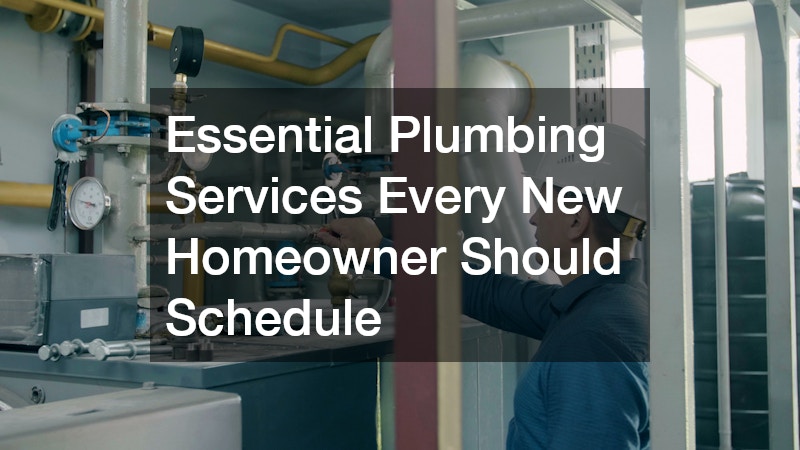
When moving into a new home, one of the smartest first steps is scheduling a comprehensive evaluation with a licensed plumber. Even if the property passed a home inspection during the buying process, many plumbing issues can still go unnoticed.
General home inspections often provide only a surface-level review of plumbing systems. A professional who specializes in plumbing services can conduct a much deeper evaluation and identify hidden concerns before they become emergencies.
A detailed inspection typically includes checking:
- Water pressure levels
- Pipe materials and condition
- Faucet and fixture performance
- Shut-off valves
- Water supply lines
- Drainage performance
- Toilet functionality
- Hidden leaks under sinks
- Outdoor hose bibs
- Pipe insulation
Older homes especially benefit from early inspections because aging pipes may already be corroding internally. Galvanized steel pipes, for example, are common in older properties and can eventually restrict water flow or develop leaks.
A professional plumber can also identify signs of previous repair work that may not meet current building codes. In some cases, DIY modifications performed by former homeowners can create safety hazards or increase the risk of future water damage.
New homeowners should also ask questions during the inspection process, including:
- How old are the pipes?
- Has the sewer line been inspected recently?
- Are there signs of hard water damage?
- What maintenance should be scheduled annually?
- Which components may need replacement soon?
Scheduling preventive inspections early allows homeowners to budget for future repairs instead of being surprised by sudden emergencies.

Prevent Blockages Before They Escalate
Slow drains are one of the most common issues homeowners face, but many people ignore them until a complete blockage occurs. Unfortunately, waiting too long can increase pressure inside pipes and lead to backups, leaks, or even pipe damage.
Routine drain cleaning is one of the easiest ways to prevent larger plumbing problems from developing. Professional cleaning removes grease, soap residue, hair, food particles, and mineral buildup that accumulate over time.
Common warning signs of developing drain issues include:
- Water draining slowly
- Gurgling sounds in sinks or tubs
- Recurring clogs
- Unpleasant odors
- Water is backing up into other fixtures
- Bubbling toilet water
A trusted plumbing company can use specialized tools such as hydro jetting equipment or drain cameras to inspect pipes and remove stubborn buildup safely.
Homeowners should pay special attention to kitchens and bathrooms because these areas experience the most daily usage. Kitchen drains frequently collect grease and food waste, while bathroom drains commonly clog with hair and soap residue.
To reduce the risk of major blockages:
- Avoid pouring grease down drains
- Use drain strainers in sinks and showers
- Flush drains regularly with hot water
- Never flush wipes or hygiene products
- Limit food waste entering garbage disposals
- Schedule professional cleanings periodically
Tree roots can also invade underground sewer lines, particularly in older neighborhoods with mature landscaping. Professional inspections help identify root intrusion before pipes crack or collapse.
Preventive maintenance costs far less than repairing severe drainage damage later.
Keep Your Hot Water System Running Efficiently
Water heaters work hard every day, yet many homeowners rarely think about them until hot water suddenly disappears. Proper maintenance is essential for improving efficiency, lowering utility bills, and extending equipment lifespan.
Scheduling regular water heater services can help prevent sediment buildup, corrosion, and mechanical failures that gradually reduce performance.
Over time, minerals from water settle inside the tank and form sediment deposits. This buildup forces the system to work harder, increasing energy consumption and shortening the lifespan of heating components.
Signs homeowners should never ignore include:
- Inconsistent hot water
- Strange popping noises
- Rust-colored water
- Water leaks near the tank
- Reduced water pressure
- Rising energy bills
- Hot water is running out quickly
Flushing the tank annually helps remove sediment and maintain efficient operation. During maintenance appointments, technicians may also inspect heating elements, pressure relief valves, thermostats, and connections.
In some cases, homeowners may require water heater repair instead of replacement. Small issues such as faulty thermostats or worn heating elements can often be repaired quickly if caught early.
Homeowners should also understand the expected lifespan of their system:
- Traditional tank heaters: 8–12 years
- Tankless systems: 15–20 years
Simple habits can help extend system longevity:
- Lower temperature settings slightly
- Insulate exposed hot water pipes
- Flush the tank yearly
- Check for leaks regularly
- Schedule routine inspections
Ignoring maintenance can eventually lead to sudden tank failure, which may cause significant water damage inside the home.
Prepare for Unexpected Plumbing Emergencies
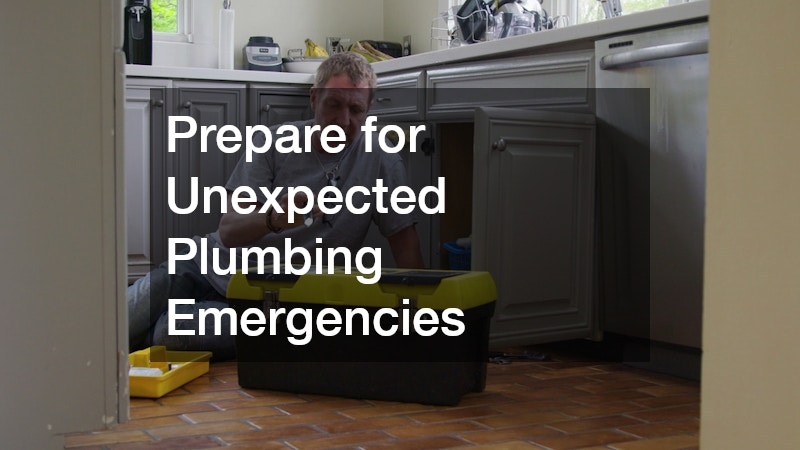
Every homeowner should have a plan for handling sudden water-related emergencies. Burst pipes, overflowing toilets, and major leaks can cause severe property damage within minutes.
Knowing when to call for 24 hour emergency plumbing services can make the difference between a manageable repair and thousands of dollars in restoration costs.
Situations that require immediate attention include:
- Burst pipes
- Sewer backups
- Major water leaks
- No running water
- Overflowing toilets
- Frozen pipes
- Gas line concerns
- Flooding near appliances
One of the first things every homeowner should learn is the location of the main water shut-off valve. Turning off the water quickly can minimize damage before professionals arrive.
A licensed plumber can also help homeowners identify weak points in the plumbing system that could fail unexpectedly during extreme weather or periods of heavy use.
It is smart to assemble a basic emergency kit that includes:
- Flashlights
- Adjustable wrench
- Towels
- Buckets
- Pipe tape
- Rubber gloves
- Emergency contact numbers
Homeowners should also inspect plumbing before vacations or extended travel periods. Small leaks left unattended for days can create mold growth, warped flooring, and structural damage.
Winter weather presents additional risks. Pipes located in crawl spaces, garages, or exterior walls can freeze and burst if not properly insulated.
Preventive measures include:
- Insulating exposed pipes
- Keeping indoor temperatures stable
- Disconnecting outdoor hoses
- Letting faucets drip during freezing temperatures
- Sealing air leaks near pipes
Fast action during emergencies can dramatically reduce repair expenses and water damage restoration costs.
Protect Your Foundation From Hidden Water Damage
Some plumbing leaks are easy to spot, while others develop beneath floors or inside concrete foundations where homeowners cannot see them. These hidden leaks can quietly damage a home’s structure for months before obvious symptoms appear.
Slab leak repairs become necessary when pipes located beneath a concrete foundation crack, corrode, or burst. Because the leaks occur below the home, they often remain undetected until serious damage develops.
Warning signs may include:
- Warm spots on floors
- Cracks in the flooring or walls
- Mold or mildew odors
- Higher water bills
- Damp carpets
- Low water pressure
- Sounds of running water with fixtures off
Homes built on concrete slabs are especially vulnerable because pipes remain hidden underneath the structure.
Professional plumbing services use advanced technology to locate leaks accurately without excessive demolition. Acoustic listening equipment, thermal imaging, and pressure testing help technicians pinpoint damaged areas efficiently.
Early detection is critical because untreated slab leaks can lead to:
- Foundation shifting
- Structural cracks
- Flooring damage
- Mold growth
- Soil erosion
- Increased utility bills
Preventive maintenance can reduce the likelihood of hidden pipe failures. Homeowners should monitor water bills carefully and schedule inspections if they notice unusual increases.
Maintaining stable water pressure also helps protect underground pipes from excessive strain.
If left untreated, hidden leaks may eventually compromise the structural stability of the home itself.
Understand How Septic Systems Require Ongoing Care
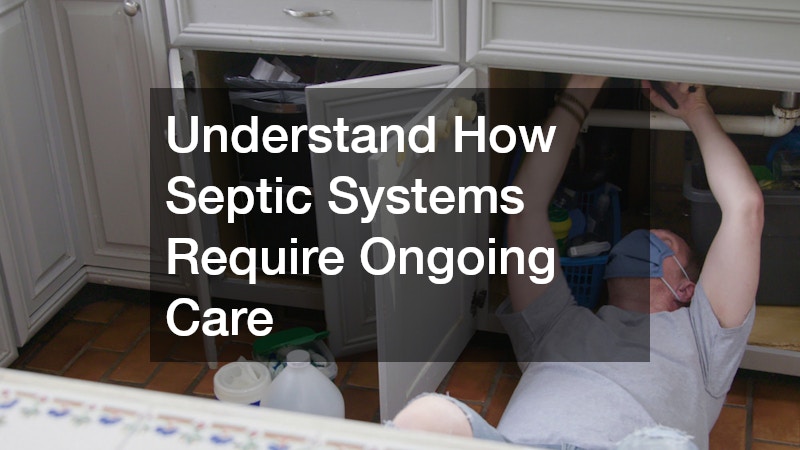
Homes that rely on septic systems need specialized maintenance to avoid costly failures and environmental hazards. Many first-time homeowners are unfamiliar with how these systems operate, making education especially important.
A proper septic installation is designed to safely manage household wastewater underground. However, even well-designed systems require routine maintenance to continue operating efficiently.
Key components include:
- Septic tank
- Drain field
- Distribution pipes
- Soil filtration system
Common warning signs of septic problems include:
- Slow drains throughout the home
- Sewage odors outdoors
- Pooling water in the yard
- Gurgling plumbing sounds
- Sewage backups
- Lush grass growth near the drain field
A reputable plumbing company can inspect the system and recommend appropriate pumping schedules based on household size and usage habits.
To protect septic system performance, homeowners should:
- Avoid flushing wipes or chemicals
- Limit grease disposal
- Conserve water usage
- Spread laundry loads throughout the week
- Keep vehicles off drain fields
- Schedule regular pumping
Many septic failures occur because homeowners overload the system with excessive water or harmful materials.
Tree roots can also invade septic lines and damage underground components over time.
Homeowners planning landscaping projects should avoid planting trees too close to the septic area. Root systems naturally seek moisture and may eventually penetrate pipes or tanks.
Routine inspections help identify minor issues before they escalate into expensive repairs or complete system replacement.
Maintain Heating Systems Connected to Water Lines
Many homeowners do not realize that some heating systems rely heavily on plumbing infrastructure. Boilers, radiant heating systems, and hydronic heating systems all depend on water circulation to function properly.
Scheduling Heating repair services regularly helps ensure these systems operate efficiently during colder months.
Warning signs of heating-related plumbing issues include:
- Uneven heating
- Strange boiler noises
- Reduced water pressure
- Leaking around heating units
- Higher energy bills
- Radiators staying cold
- Frequent cycling
Some systems use pressurized water lines that can develop leaks, corrosion, or circulation issues over time. Small problems can quickly affect comfort levels and increase operating costs.
Professional plumbing services may include:
- Boiler inspections
- Pressure testing
- Valve inspections
- Circulator pump maintenance
- Pipe insulation evaluations
- Leak detection
Preventive maintenance before winter arrives is especially important. Emergency breakdowns during freezing temperatures can place pipes at risk of freezing and bursting.
Homeowners can also improve heating system efficiency by:
- Bleeding radiators regularly
- Keeping vents unobstructed
- Monitoring pressure gauges
- Scheduling annual tune-ups
- Insulating exposed pipes
Proper maintenance improves comfort while reducing the likelihood of sudden heating failures during extreme weather.
Create a Long-Term Maintenance Routine
One of the best things new homeowners can do is create a long-term maintenance schedule instead of waiting for visible problems to appear.
Preventive care dramatically reduces the likelihood of emergencies while helping plumbing systems last longer.
Routine drain cleaning and regular water heater services are two of the most valuable preventive steps homeowners can schedule annually.
A practical maintenance calendar may include:
Monthly Tasks
- Check under sinks for leaks
- Monitor water pressure
- Inspect toilets for running water
- Test shut-off valves
- Clean faucet aerators
Seasonal Tasks
- Inspect outdoor faucets
- Disconnect garden hoses before winter
- Check pipe insulation
- Inspect sump pumps
- Test water heater performance
Annual Tasks
- Schedule professional inspections
- Flush the water heater tank
- Clean drains professionally
- Inspect sewer lines if needed
- Evaluate appliance connections
Homeowners should also keep records of all repairs and maintenance appointments. Tracking service history makes it easier to anticipate future upgrades and identify recurring problems.
Simple habits can also protect plumbing systems long term:
- Never ignore small leaks
- Avoid harsh chemical drain cleaners
- Know where shut-off valves are located
- Address slow drains quickly
- Replace aging fixtures proactively
Many expensive repairs begin as small issues that worsen gradually over time.
Investing in preventive maintenance not only protects the home itself but also improves resale value. Buyers are often more confident purchasing homes with documented maintenance histories and well-maintained systems.
Build a Strong Foundation for Long-Term Home Protection
Owning a home comes with many responsibilities, and protecting the plumbing system should be one of the highest priorities for new homeowners. Small maintenance tasks performed consistently can prevent major emergencies, reduce repair costs, and improve overall comfort.
By scheduling inspections early, addressing warning signs quickly, and creating a long-term maintenance plan, homeowners can avoid many of the most common plumbing problems before they become serious. Preventive care also helps extend the lifespan of pipes, appliances, drainage systems, and heating equipment.
The key is staying proactive instead of reactive. Homes that receive regular attention are far less likely to experience sudden breakdowns, hidden water damage, or costly structural issues.